
How Food Affects Your Mood
Explore the science-backed connection between nutrition and mental wellbeing. Discover how the foods you eat shape your emotions, energy, and outlook on life.
Why Your Brain Needs the Right Nutrients
Your brain is a hungry organ, consuming about 20% of your body's energy despite being just 2% of your body weight. The foods you eat directly fuel neurotransmitter production—the chemical messengers that regulate mood, focus, and emotional resilience. When you choose nutrient-rich foods, you're literally building the biochemical foundation for better emotional health.
Research consistently shows that dietary patterns influence anxiety, depression, and overall psychological wellbeing. Key nutrients like omega-3 fatty acids, B vitamins, magnesium, and amino acids each play specific roles in brain function. Understanding these connections empowers you to make food choices that support not just physical health, but emotional balance.
Foodmoodconnection brings you evidence-based insights into this fascinating relationship, helping you navigate the food-mood landscape with clarity and confidence.
Research-Backed Insights
Key findings from nutritional science that demonstrate the powerful link between eating patterns and emotional wellbeing.
Serotonin Production
Occurs in the gut microbiome, influenced by dietary choices
Essential Amino Acids
Building blocks for neurotransmitters that regulate mood
Brain Health Impact
Mediterranean-style diets show measurable mood improvements
Axis Connection
Direct neural pathways linking digestion to emotional centres
How Food Influences Your Emotions
Understanding the pathway from your plate to your feelings, step by step.
Nutrient Absorption
When you consume food, your digestive system breaks it down into nutrients. The quality and type of foods you eat determine what building blocks become available to your brain and body.
Neurotransmitter Synthesis
Your brain uses amino acids, vitamins, and minerals from food to manufacture neurotransmitters like serotonin, dopamine, and GABA. These chemical messengers directly regulate mood, motivation, and anxiety levels.
Gut-Brain Communication
Your gut microbiota—trillions of bacteria—produce neurotransmitters and send signals directly to your brain via the vagus nerve. Foods that feed beneficial bacteria improve this bidirectional communication.
Emotional Response
With adequate neurotransmitters and balanced blood sugar, your brain can regulate mood more effectively. You experience improved emotional resilience, clearer thinking, and more stable energy throughout the day.
Top Mood-Boosting Foods
Explore nutrient-dense foods that support emotional wellbeing and brain health.

Fatty Fish & Omega-3s
Salmon, mackerel, and sardines contain EPA and DHA, essential fatty acids that reduce inflammation in the brain and support mood stability. Regular consumption is linked to lower rates of depression.

Leafy Greens & Folate
Spinach, kale, and dark leafy greens provide folate, a B vitamin crucial for serotonin production. Folate deficiency is associated with depression and cognitive decline.
Berries & Antioxidants
Blueberries, strawberries, and blackberries are packed with anthocyanins that protect brain cells from oxidative stress and support neural communication.

Nuts & Seeds
Almonds, walnuts, and flaxseeds provide magnesium, zinc, and healthy fats that reduce anxiety and support neurotransmitter function. A small handful daily makes a difference.

Whole Grains
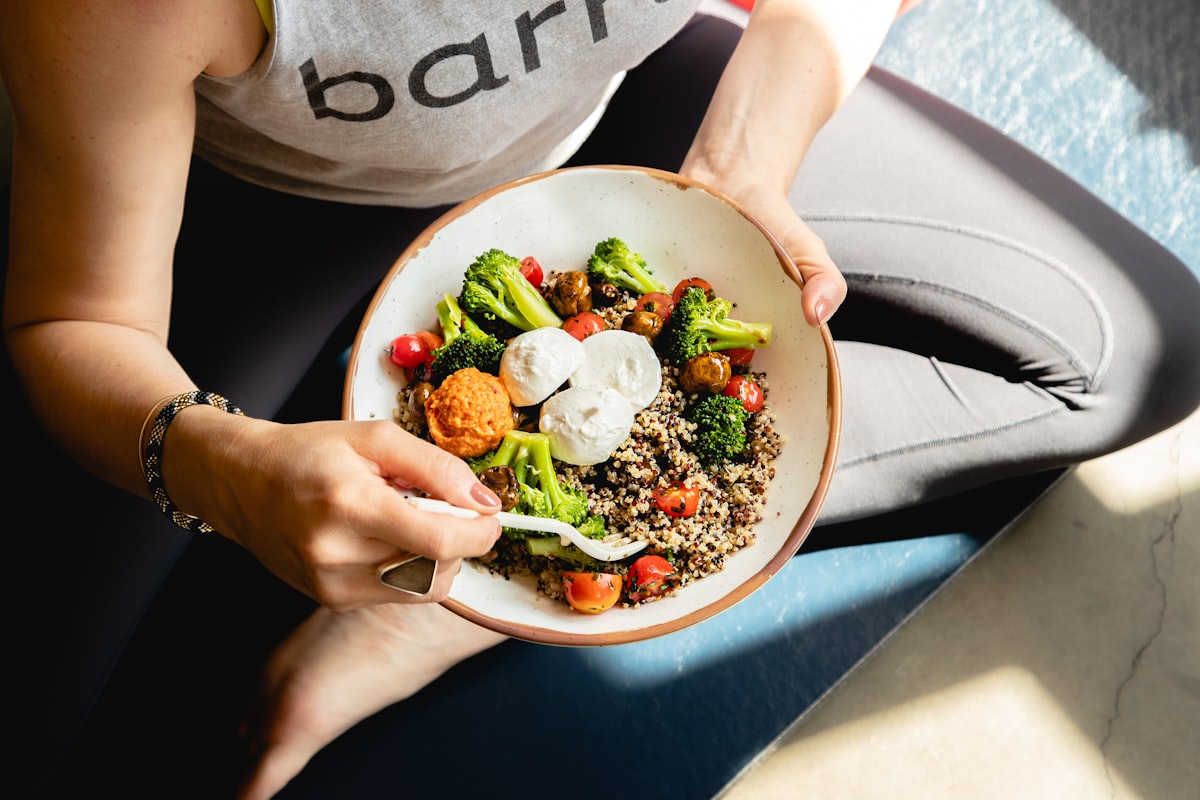
Oats, quinoa, and brown rice provide steady glucose and B vitamins needed for sustained energy and mood. They feed beneficial gut bacteria that produce mood-boosting compounds.

Fermented Foods
Yogurt, kefir, sauerkraut, and kimchi contain live probiotics that strengthen your gut microbiome. A healthy microbiome directly influences mood and emotional regulation through the gut-brain axis.
Common Questions About Food and Mood
Find answers to questions our community asks most frequently.
Some people notice changes within days—especially improved energy and mental clarity. Others may take 2-4 weeks to observe mood shifts as neurotransmitter levels stabilize and your microbiome begins to adapt. It depends on how significantly you change your eating patterns and your individual biochemistry. Consistency matters more than perfection.
Research shows that nutrient-dense eating patterns are associated with lower rates of anxiety and depression. Foods cannot replace professional support if you're struggling with mental health, but they provide crucial biological support for emotional resilience. Think of nutrition as foundational—it creates the optimal conditions for your brain to function at its best. Many people find that dietary improvements complement other approaches to wellbeing.
Refined sugar causes rapid blood sugar spikes followed by crashes, which destabilize mood and energy. This rollercoaster also feeds pathogenic bacteria in the gut, potentially worsening anxiety and depression over time. Occasional small amounts won't derail you, but consistently high sugar intake actively works against emotional wellbeing. Natural sugars from fruit are different because they come with fiber, vitamins, and minerals that moderate blood sugar impact.
Whether you're vegetarian, vegan, pescatarian, or follow other eating patterns, mood-supporting nutrition is absolutely possible. The key is ensuring you get adequate protein, iron, B vitamins, and omega-3 sources from your available options. Our articles address specific dietary approaches and how to optimize them for brain health. If you have complex nutritional questions related to your specific situation, a qualified nutrition professional can offer personalised guidance.
While the core science applies to everyone, individual responses vary based on genetics, current health status, and lifestyle. The best approach is to implement changes gradually and observe how you feel—tracking mood, energy, sleep, and digestion alongside dietary shifts. Keep a simple food-mood journal for 2-3 weeks. Over time, patterns emerge showing which foods genuinely support your wellbeing. Our articles provide a framework for this self-discovery process.
Real Stories from Our Community
People sharing their genuine experiences with the food-mood connection.
"After reading about the gut-brain connection, I started focusing on fermented foods and reducing sugar. Within a few weeks, I felt my afternoon stress levels had reduced. I'm sleeping better, and my mood is so much more stable. I wish I'd understood this connection earlier."
Sarah Mitchell
London, England
"The food-mood articles were eye-opening. I never realized how much my breakfast choices affected my focus and energy at work. Adding omega-3s and B-vitamin-rich foods made a tangible difference in my productivity and overall sense of calm throughout the day."
James Chen
Manchester, England
"I struggled with mood swings for years until I discovered that my diet was basically all processed foods and sugar. Learning about nutrient density and the food-mood science gave me concrete steps to follow. My emotional resilience has genuinely improved."
Emma Thompson
Birmingham, England
"As someone managing stress with two young kids, understanding the food-mood connection has been transformative. Stable blood sugar means stable emotions. When I eat well, I parent better and feel more present. It's been a game-changer for our whole family."
Rebecca O'Connor
Leeds, England
Start Your Food-Mood Journey
Explore our in-depth articles, discover evidence-based insights, and join our community of people taking control of their wellbeing through better understanding the food-mood connection.
Questions about our content? Contact our editorial team at [email protected]